
ABOUT TIFFANY FUTRELL, PMHNP-BC | PERINATAL PSYCHIATRY IN CALIFORNIA

You are not the only one who feels this way.
I'm Tiffany Futrell, a psychiatric nurse practitioner specializing in perinatal mental health. I provide thoughtful, evidence-based psychiatric care during pregnancy and postpartum, both in person in Orange and virtually throughout California.
I'm not a psychiatrist or a specialized therapist. I'm a nurse practitioner who will give you the time and space to tell me what's actually going on, help you understand your options, and make decisions about your care without pressure.

Care that makes room for the whole picture.
Pregnancy and postpartum come with enormous biological and emotional changes. Your psychiatric care should account for all of them.
I provide psychiatric evaluation, medication management, and non-specialized talk therapy, with the specific considerations of pregnancy, postpartum, and breastfeeding in mind.
That doesn't mean medication is automatically the answer. We'll talk about what's happening, what's contributing to it, and the options available to you. If medication is part of that conversation, we'll talk through the risks, benefits, and alternatives so you have the information you need to make an informed decision.
Appointments are intentionally thorough, with time to ask questions, talk things through, and actually be heard.


My Credentials.
I'm a board-certified psychiatric mental health nurse practitioner licensed to practice in California. I also hold an additional certification in perinatal mental health care (PMH-C) from Postpartum Support International.
That additional training informs the way I approach psychiatric care during pregnancy and postpartum.



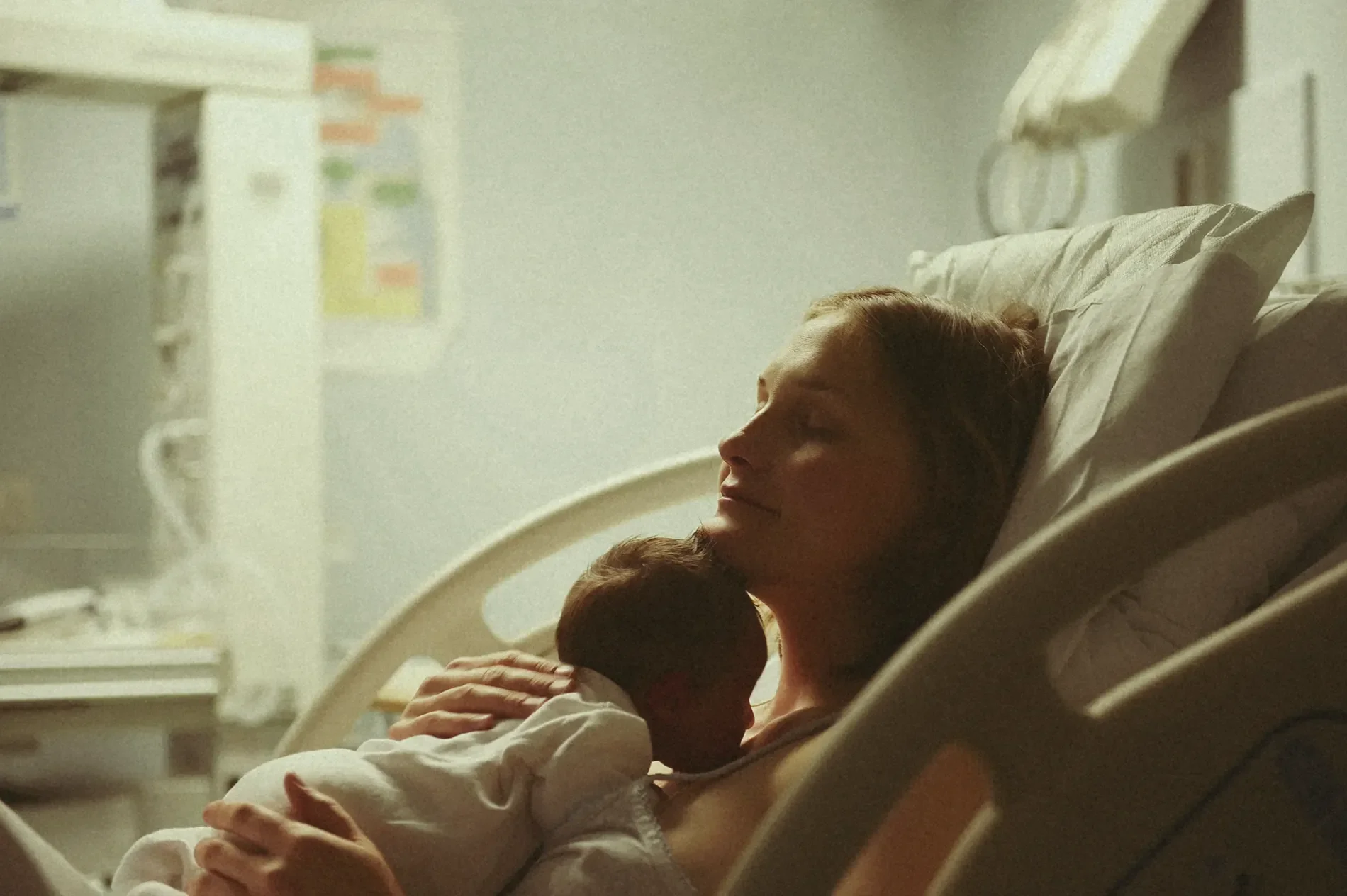
These are my people.
I know, because I've been one of them.
I experienced postpartum mental illness personally. We all come into pregnancy and birth carrying our own histories, expectations, relationships, baggage, and trauma. Then our brains, bodies, identities, and lives start changing around us.
It can be a lot.
I know how lonely it can feel when you're struggling and it seems like everyone around you is doing just fine. It's one of the reasons I care so deeply about this work.
You're not broken.
You're not the only one experiencing this.
This transitional period does not have to become your new forever.
Part of our work is understanding what's happening now, reconnecting with who you are, and figuring out what parts of the person you were before all of this you want to bring forward with you.

I'll give you the whole story. Even the uncomfortable parts.
I’ll be honest with you, and I won’t dance around hard conversations.
If medication makes sense, we'll talk honestly about the good and the bad, the risks and benefits, and the alternatives. If I have concerns, I'll tell you. If there are multiple options, we'll talk through them.
I won't impose my will on you or pressure you into medication. But good care also means having boundaries. I won't recommend or prescribe something I don't believe is appropriate simply because it's the outcome someone came in hoping for.
My job is to listen, give you the information you need, and help us make thoughtful decisions about your care together.
And yes, we might laugh sometimes.
I take what you're going through seriously without needing every minute we spend together to feel so serious.

Mental health care really can come down to vibes.
My style and personality aren't going to be for everybody, and that's okay. Finding someone you feel safe with matters.
I'm direct, accepting, and open. I want you to be able to show up as yourself and tell me what's actually happening without worrying that I'm going to judge you, dismiss you, or force you down a path you don't want to take.
I work with pregnant and postpartum people across identities and family structures, including trans and nonbinary birth givers.
Sage is an affirming practice where respect for other people's identities and humanity is part of the deal.
I'm interested in good clinical relationships and care that's based on what you actually need, not a predetermined outcome.

And while perinatal mental health is my specialty, I do sometimes work with people outside of pregnancy and postpartum on a case-by-case basis.
I’m Glad You’re HereReaching out is the low-stakes part
You don't need to know exactly what's wrong.
You don't need to have decided how you feel about medication.
And you don't have to wait until things feel unbearable.
You just have to start the conversation.
You can learn more about services, appointments, pricing, and insurance before deciding what feels right for you.